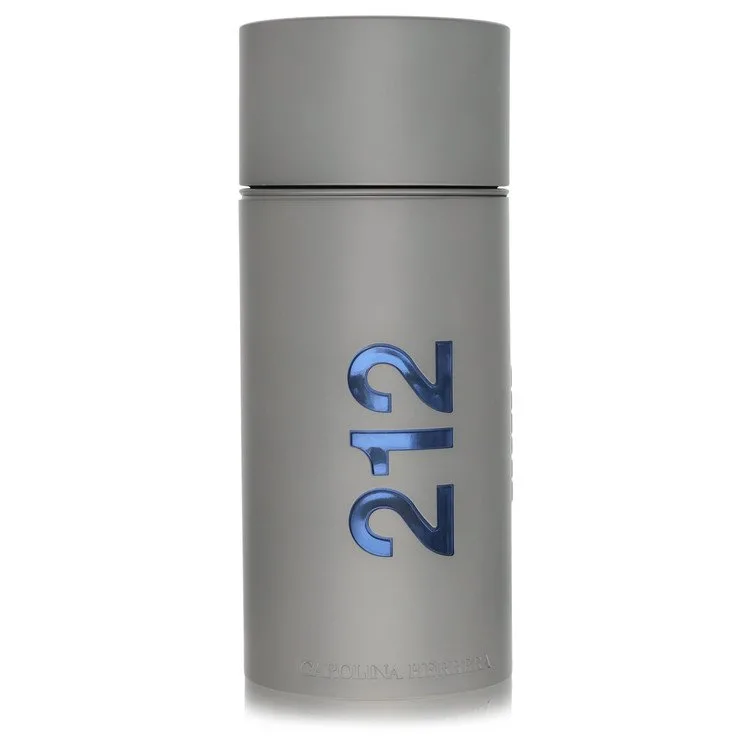
Designer fragrance people think niche buyers are overpaying for pretension. Niche fragrance people think designer buyers are wearing "mass-produced mediocrity." Both sides are wrong. And both sides are right.
The designer vs niche debate is the fragrance world's equivalent of fast fashion vs bespoke tailoring. But unlike clothing, the quality gap between a $80 designer bottle and a $300 niche bottle is far less obvious than you'd expect.
What "Designer" Actually Means
Designer fragrances come from fashion houses: Dior, Chanel, Versace, Tom Ford, YSL, Prada, Gucci. These companies sell clothing, handbags, and accessories — fragrance is a product extension. The business model: sell millions of bottles at $60–$150 each. Wide distribution (Sephora, Ulta, Nordstrom, Macy's, Amazon, and sites like ours).
Because they need mass appeal, designer fragrances tend to be "safe." Crowd-pleasing. Office-appropriate. Nothing that'll clear a room. Dior Sauvage smells like "attractive man." Chanel Chance smells like "put-together woman." That's by design — when you're selling 50 million bottles, you optimize for the widest possible audience.
What "Niche" Actually Means
Niche fragrance houses exist primarily to make fragrance: Creed, Maison Francis Kurkdjian (MFK), Parfums de Marly, Byredo, Le Labo, Amouage, Xerjoff. Smaller production runs. Limited distribution. Higher price points ($150–$500+).
The business model: sell fewer bottles at higher margins. Because they're not optimizing for mass appeal, niche houses can take creative risks. Oud-heavy compositions. Leather-forward scents that smell like a vintage car. Rose-saffron blends that would never survive a Sephora focus group. The results can be extraordinary — or unwearable. That's the trade-off.
The Ingredient Myth
Niche brands love claiming "premium natural ingredients" and "ethically sourced materials." Here's the reality: most fragrance ingredients — designer and niche alike — come from the same handful of suppliers (Firmenich, Givaudan, IFF, Symrise). These four companies produce the majority of fragrance compounds used worldwide.
Does niche use more natural ingredients? Sometimes. Does natural automatically mean "better"? No. Many synthetic aromachemicals outperform their natural counterparts in longevity and consistency. Iso E Super (synthetic) is one of the most-praised fragrance molecules ever created. Ambroxan (synthetic) is the backbone of Dior Sauvage — the best-selling men's fragrance on the planet.
Where Designer Wins
Value per spray. A $90 Dior Sauvage EDP gives you roughly the same longevity as a $325 Creed Aventus. Price per wear matters more than price per bottle.
Availability. Run out of Versace Eros? You can buy it anywhere. Run out of a limited-edition Xerjoff? Good luck. It might be discontinued.
Social proof. "You smell great" is the compliment. Nobody asks if it's designer or niche. Dior Sauvage, Bleu de Chanel, and YSL Y EDP are all proven compliment-getters at fraction of niche pricing.
Where Niche Wins
Uniqueness. You won't smell like four other people at the party. Niche fragrances are worn by fewer people, which means your scent becomes more "yours."
Complexity. The best niche fragrances evolve over hours. Layers reveal themselves. A single wearing tells a story. Most designer fragrances are linear — they smell the same from first spray to last.
Artistry. Some niche fragrances are genuinely masterful compositions. Baccarat Rouge 540, Aventus, Grand Soir — these are fragrances that changed the industry and inspired dozens of imitators.
Designer vs Niche — Quick Comparison
| Factor | Designer | Niche |
|---|---|---|
| Price range | $30–$150 | $100–$500+ |
| Ingredient quality | Good (some synthetics) | Premium (more naturals) |
| Longevity | 4–8 hours avg | 6–12 hours avg |
| Uniqueness | Mass-market, widely worn | Rare, distinctive |
| Availability | Easy to find & repurchase | Limited, may be discontinued |
| Compliment factor | High (crowd-tested) | Polarizing (love or hate) |
| Resale value | Low | High (discontinued = gold) |
| Best for beginners | Yes — safe, versatile | After building preferences |
Price ranges reflect typical US retail. Discounted prices at authorized retailers like My Perfume are 40-80% below retail for designer brands.
The Honest Recommendation
Start with designer. Build a foundation of versatile, proven scents: one fresh (Bleu de Chanel), one warm (Valentino Uomo Intense), one formal (Dior Homme Intense). Once you know what you like, explore niche selectively. Buy decants and samples before committing to full bottles. A 10ml decant of Creed Aventus costs $25 and lasts 2–3 months of moderate use — that's a far smarter way to explore niche than dropping $400 on a blind buy.
The best fragrance is the one you enjoy wearing. If that's a $15 Nautica Voyage, wear it with confidence. If it's a $350 Tom Ford Tobacco Vanille, same deal. The bottle doesn't matter. The experience does.