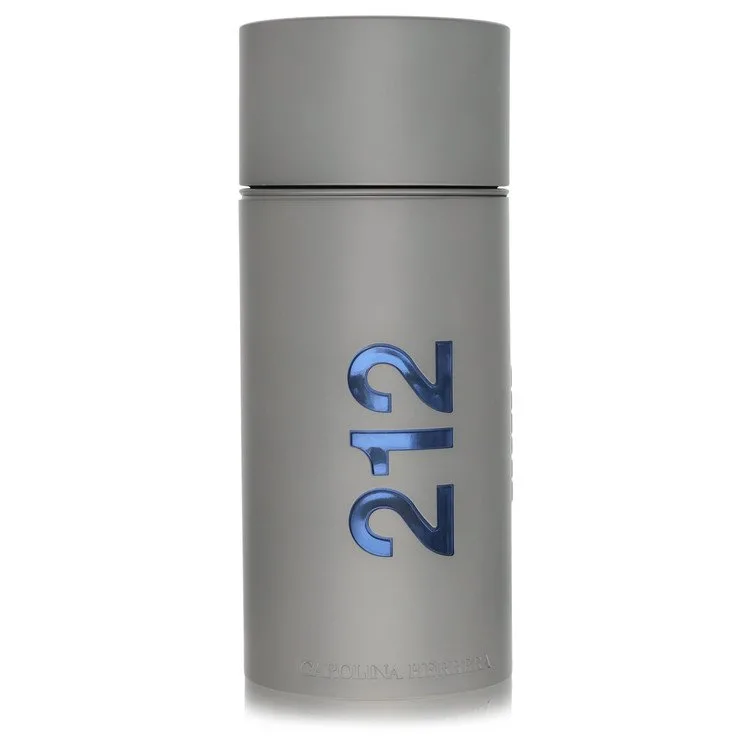
You spent $120 on a bottle of fragrance. Then you put it on your bathroom shelf next to the shower. Six months later it smells "off." Flat. Slightly sour. That's not the fragrance aging gracefully — that's oxidation destroying it.
Perfume is a chemical compound. Like wine, olive oil, or any other complex organic mixture, it degrades when exposed to heat, light, and oxygen. Most people store their fragrances in the worst possible conditions without realizing it.
The Three Enemies: Heat, Light, Humidity
Heat accelerates the breakdown of fragrance molecules. Every 10°F increase roughly doubles the rate of chemical degradation. A bathroom that reaches 80°F during a hot shower is actively destroying your collection.
UV light — both sunlight and fluorescent light — triggers photodegradation. Those beautiful bottles on your windowsill? They're fading. Literally. Many fragrances change color when UV-damaged (turning darker or more amber), and the scent shifts along with it.
Humidity introduces water molecules that react with the alcohol base and fragrance compounds. Bathrooms are the humidity capital of your home. It's the single worst room for perfume storage.
Where to Actually Store Fragrance
Best: Original box, inside a bedroom closet or drawer. Dark, cool, stable temperature. The cardboard box blocks UV completely and adds insulation against temperature swings.
Good: Bedroom dresser top, away from windows. Acceptable if you want your bottles displayed. Just keep them out of direct sunlight.
Acceptable: A dedicated fragrance cabinet or shelf in a room with climate control. Some collectors use small wine coolers set to 55–60°F.
Bad: Bathroom, kitchen, car, garage, anywhere near windows. Temperature swings and humidity in these locations will noticeably degrade fragrance within months.
Does Refrigeration Work?
Mixed opinions. The temperature is right (35–40°F is excellent for preservation). But the humidity inside most refrigerators is higher than ideal, and frequent opening introduces temperature cycling. If you refrigerate, keep bottles in a sealed container or zip-lock bag. Don't freeze — the alcohol-water mixture can separate at very low temperatures.
Cap On or Cap Off?
Cap on. Always. Every time you leave a bottle uncapped, alcohol evaporates and oxygen enters. Both degrade the fragrance. If your bottle uses a splash design (no spray), transfer it to a spray atomizer to minimize air exposure.
How Long Does Perfume Last in Storage?
Properly stored: 3–5 years for most fragrances, 8–10 years for some. Woody and oriental fragrances tend to age better than fresh and citrus ones. Stored badly: 12–18 months before noticeable degradation.
Signs Your Fragrance Has Gone Bad
Color change (significant darkening). Sour or vinegar-like smell on first spray. Flat, one-dimensional scent where there used to be complexity. Skin irritation that wasn't there before. If you notice any of these, the fragrance has oxidized past the point of enjoyment.
The fix is simple: move your bottles out of the bathroom and into a closet. That single change can double or triple the useful life of your fragrance collection. For a $100+ bottle, that's real money saved.